* The cURL project has ceased its bug bounty program, effective at the end of the current month. * This drastic measure is a direct response to a surge in low-quality, often AI-generated vulnerability submissions. * Lead developer Daniel Stenberg emphasized the need to protect maintainer well-being and ensure the project's sustainability. * While condemning poorly utilized AI, cURL acknowledges the value of AI tools when expertly wielded by human researchers for legitimate bug discovery.
cURL Discontinues Bug Bounty Program Due to AI-Generated Report Influx
In a significant development for the open-source community, cURL, an essential utility for transferring data with URLs, has announced the cessation of its vulnerability reward program. The decision, as initially reported by Ars Technica AI, comes as the project's small team of maintainers struggles under an unprecedented wave of low-quality, frequently AI-generated security reports. This move highlights a growing concern within the technology sector regarding the proliferation of unverified, machine-generated content and its impact on critical infrastructure.
Daniel Stenberg, the founder and lead developer of the cURL project, articulated the severe strain these submissions have placed on his team. "We are just a small single open source project with a small number of active maintainers," Stenberg stated, underscoring the limited resources available to manage the project. He further emphasized the necessity of the decision for the team's "survival and intact mental health," indicating that the volume and poor quality of reports had become unsustainable.
The Unforeseen Strain on Open Source Maintainers
The open-source ecosystem thrives on collaborative effort and voluntary contributions. Projects like cURL, which are fundamental to the internet's functioning, often rely on small, dedicated teams. These teams are responsible for development, maintenance, and security, often without the extensive corporate backing enjoyed by proprietary software. The introduction of a high volume of unhelpful, AI-generated reports disproportionately burdens these lean operations.
Stenberg's candid remarks reveal a human toll behind the technical issue. The constant need to sift through irrelevant or fabricated bug reports consumes valuable time and mental energy that could otherwise be directed towards legitimate development or addressing genuine vulnerabilities. This scenario, where maintainers are forced to battle "slop machines" rather than focusing on core tasks, represents a new challenge for open-source sustainability.
A Critical Tool's Security Dilemma
First launched three decades ago under the names httpget and urlget, cURL has evolved into an indispensable utility across various technological domains. It is widely used by system administrators, researchers, and security professionals for tasks ranging from file transfers and debugging web software to automating complex operations. Its integration into default versions of major operating systems like Windows, macOS, and most Linux distributions solidifies its status as a foundational component of modern computing infrastructure.
Given its pervasive use, the security of cURL is paramount. Any vulnerability could have far-reaching implications across countless systems and applications. Traditionally, like many software projects, cURL has relied on external security researchers who submit private bug reports. To incentivize and reward these efforts, the project has offered cash bounties for reports detailing high-severity vulnerabilities. This system, designed to bolster security through community engagement, is now being undermined by the very technology intended to assist in discovery.
The Rise of "AI Slop" in Vulnerability Reporting
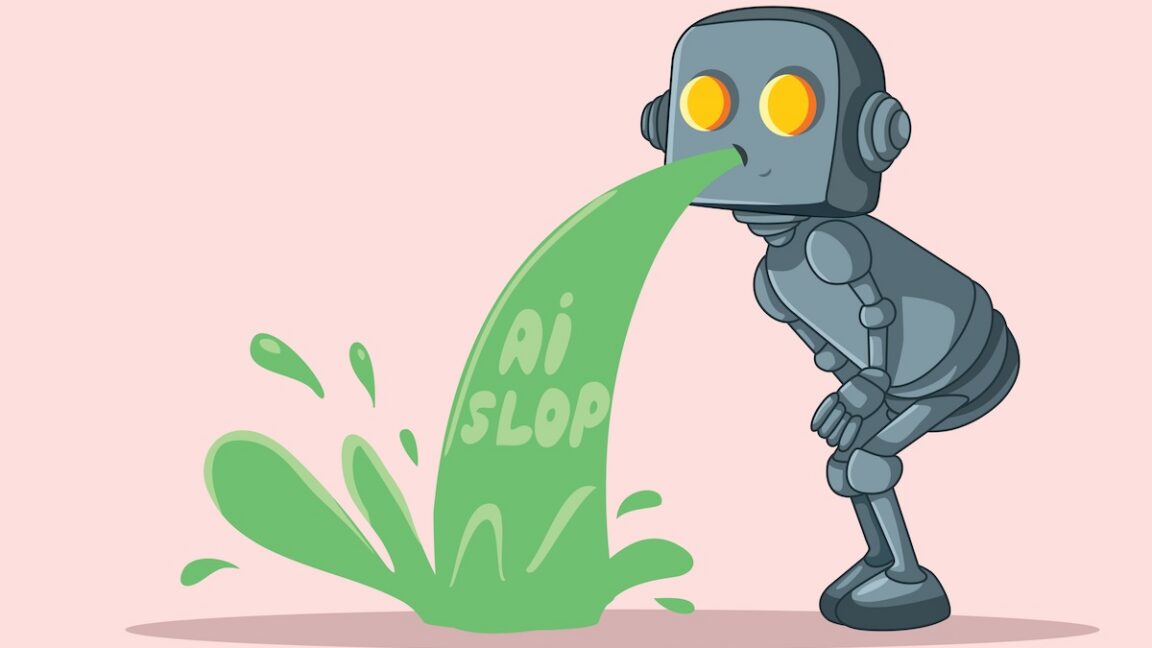
The term "AI slop" has emerged to describe the low-quality, often nonsensical content generated by artificial intelligence models without sufficient human oversight or verification. In the context of bug bounties, this translates to reports that describe non-existent vulnerabilities, provide non-compiling code snippets, or hallucinate technical details that have no basis in reality.
Stenberg had previously voiced concerns about this trend in May, predicting that the influx of AI-generated reports would not be confined to cURL but would likely "metastasize" across the broader software development landscape. His predictions appear to have materialized, with cURL now serving as a prominent example of the consequences.
The project leader has even shared examples of these dubious submissions. In one instance, a cURL project member responded to a report by suggesting the reporter was a "victim of LLM hallucination." The report in question exhibited tell-tale signs of AI fabrication, including similarities to known but bogus CVEs (Common Vulnerabilities and Exposures), code snippets that failed to match function signatures and wouldn't compile, and changelog entries that diverged from reality. When the reporter persisted, Stenberg directly challenged them, stating, "You were fooled by an AI into believing that."
Differentiating AI-Assisted from AI-Generated
It is crucial to distinguish between reports that are poorly generated by AI and those where AI tools are effectively leveraged by skilled human researchers. Stenberg himself has publicly acknowledged and even praised the latter. In September, he commended researcher Joshua Rogers for submitting a comprehensive list of bugs, many of which were discovered using AI-assisted tools, specifically mentioning the AI-powered code analyzer ZeroPath. For more details, see AI-generated content.
"A clever person using a powerful tool," Stenberg remarked, highlighting the synergy between human expertise and advanced technology. He posited that the majority of problematic reports originate from individuals who simply query an AI bot without truly understanding or verifying its output. This distinction is vital: AI, when used as an intelligent assistant by knowledgeable individuals, can significantly enhance bug discovery. However, when treated as an autonomous vulnerability reporter without human discernment, it can become a source of considerable noise and frustration.
Community Reactions and Broader Implications
The decision to discontinue the bug bounty program has naturally sparked debate within the cURL user community and the wider open-source world. While many understand the maintainers' predicament, some users have expressed concerns that eliminating the bounty program might inadvertently reduce a key incentive for legitimate security researchers to scrutinize cURL, potentially compromising the tool's long-term security posture. Stenberg largely conceded this point, acknowledging the difficult trade-off but reiterating the lack of viable alternatives given the current circumstances.
The situation faced by cURL is not isolated. It mirrors broader trends observed in other digital domains. For instance, music streaming platforms have reportedly been inundated with AI-generated songs, often falsely attributed to real artists, making genuine music discovery increasingly challenging. cURL's experience with bug bounties may be an early indicator that similar challenges are emerging in critical areas like cybersecurity and software development, where the integrity and authenticity of information are paramount.
Navigating the Future of Software Security
The cURL incident compels a re-evaluation of how bug bounty programs are structured and managed in an era of increasingly sophisticated generative AI. Traditional models, which rely on the sheer volume of submissions, may need to evolve to incorporate more robust vetting processes, perhaps leveraging AI-powered pre-screening tools to filter out obvious "slop" before it reaches human maintainers. Alternatively, programs might shift towards a more curated approach, inviting trusted researchers or focusing on specific, high-impact areas.
The emphasis will increasingly be on quality over quantity. Incentives might need to be restructured to reward depth of analysis and confirmed vulnerability, rather than merely submission volume. Furthermore, the open-source community may need to collectively develop best practices for interacting with AI tools in security research, promoting responsible AI usage and discouraging the blind reliance on machine output.
Daniel Stenberg's Stance and Project Survival
Stenberg's resolve is clear. In a separate public post, he issued a stern warning: "We will ban you and ridicule you in public if you waste our time on crap reports." This firm stance, backed by an official update to cURL's GitHub account confirming the program's termination by the end of the month, underscores the severity of the problem and the maintainers' determination to protect their project and their own capacity to contribute meaningfully.
For Stenberg and his team, the decision is not about rejecting innovation but about ensuring the project's long-term viability. A project overwhelmed by noise cannot effectively address real threats or continue its development trajectory. The health and morale of the maintainers are directly linked to the health and longevity of the open-source project itself.
The Path Forward for Open Source Security
The cURL project's experience serves as a stark reminder of the double-edged sword of artificial intelligence. While AI holds immense promise for enhancing security and development, its misuse or uncritical application can introduce significant new challenges. The incident prompts a broader discussion within the tech community about how to harness the power of AI responsibly, particularly in critical areas like cybersecurity, without succumbing to the deluge of low-quality, machine-generated content.
As AI tools become more ubiquitous, open-source projects, and indeed all software development efforts, will need to adapt. This adaptation may involve developing new protocols for report submission, investing in advanced automated filtering systems, or fostering a culture of rigorous human verification. Ultimately, the future of software security in the age of AI will depend on our ability to distinguish genuine insights from digital "slop" and to empower human experts to leverage technology effectively, rather than be overwhelmed by it.
❓ Frequently Asked Questions
What is cURL and why is it considered important?cURL is a command-line tool and library for transferring data with URLs. It supports various protocols like HTTP, HTTPS, FTP, and more. It's considered crucial because it's widely integrated into operating systems like Windows, macOS, and Linux, and is used by developers, system administrators, and security professionals for a vast array of tasks, from downloading files to automating web interactions.
Why did cURL decide to discontinue its bug bounty program?The cURL project discontinued its bug bounty program due to an overwhelming influx of low-quality, often AI-generated vulnerability reports. These submissions, frequently containing fabricated vulnerabilities or non-functional code, placed an unsustainable burden on the project's small team of maintainers, consuming valuable time and impacting their well-being, as articulated by lead developer Daniel Stenberg.
Does cURL oppose all use of AI in bug reporting?No, cURL does not oppose all AI use in
This article is an independent analysis and commentary based on publicly available information.
Comments (0)